The Role of Nature Centers in Environmental Education
Nature recreation centers play a vital role in fostering environmental education. They provide a unique setting for learning about nature while engaging in various outdoor activities. This article explores the significance of these centers in promoting environmental awareness and sustainable practices.
Understanding the Basics of Environmental Education
Environmental education aims to equip individuals with knowledge and skills to understand environmental issues and make informed decisions. According to research by the North American Association for Environmental Education, effective environmental education can lead to increased awareness and responsible behavior towards nature.
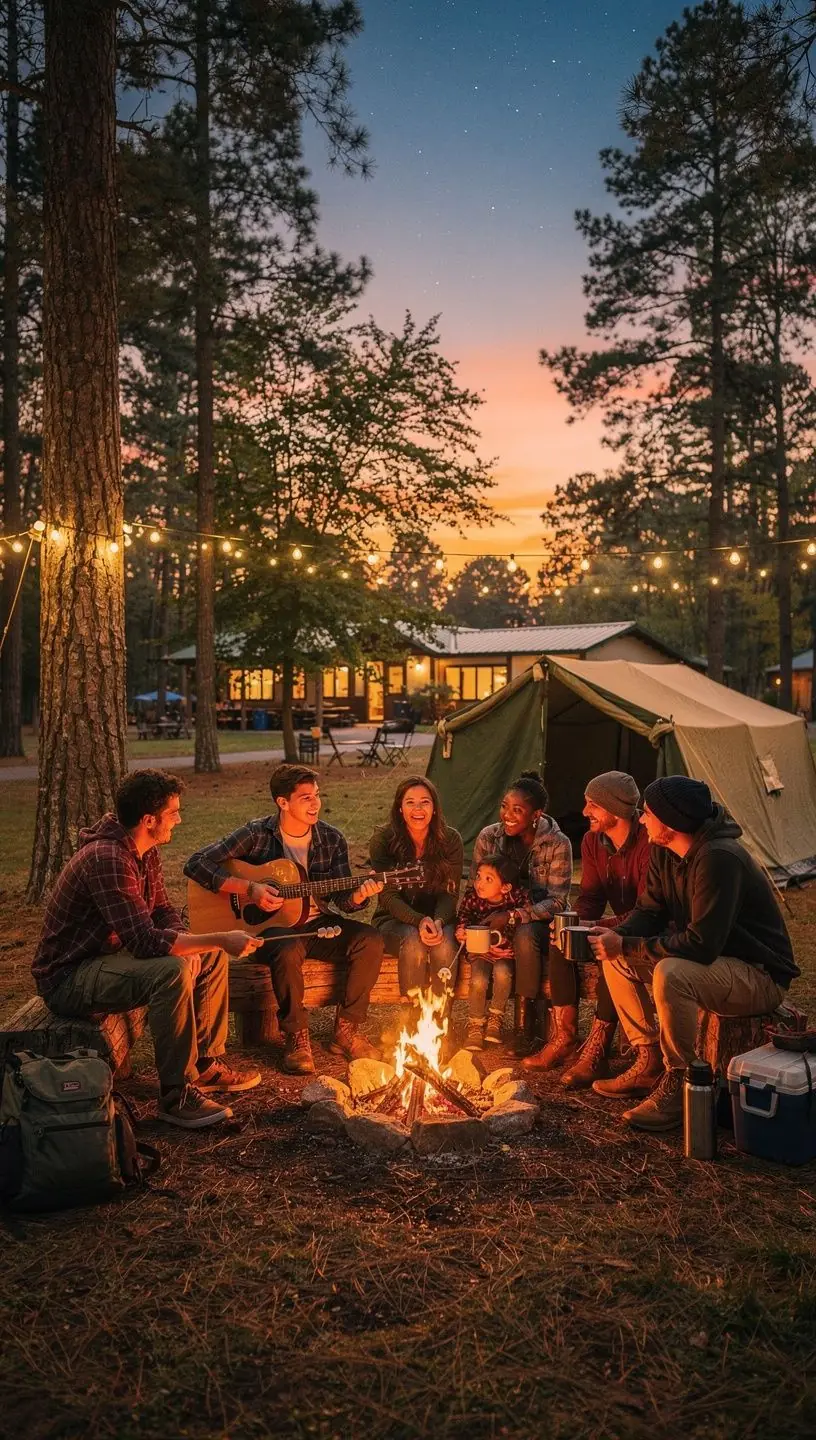
Nature centers often serve as educational hubs where visitors can learn through direct experiences in the outdoors. This approach is effective because experiential learning typically enhances understanding and retention of information compared to traditional classroom settings.
"Experiential learning at nature centers fosters a deeper connection with the environment, encouraging stewardship and sustainable practices." - Environmental Education Expert
The Benefits of Engaging with Nature Centers
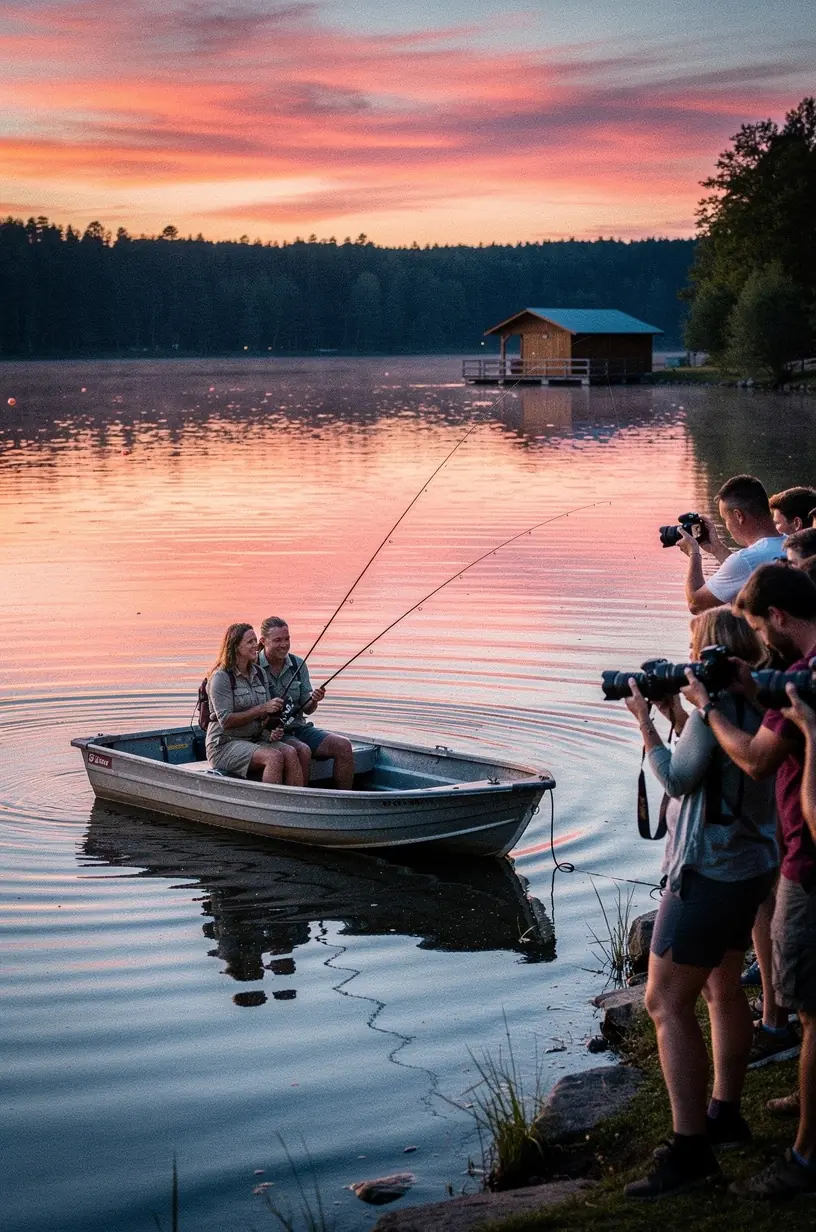
- Equipment Rental: Many nature centers provide equipment rental services, allowing visitors to explore outdoor activities such as hiking, kayaking, and birdwatching. This accessibility supports participation in nature and promotes physical activity.
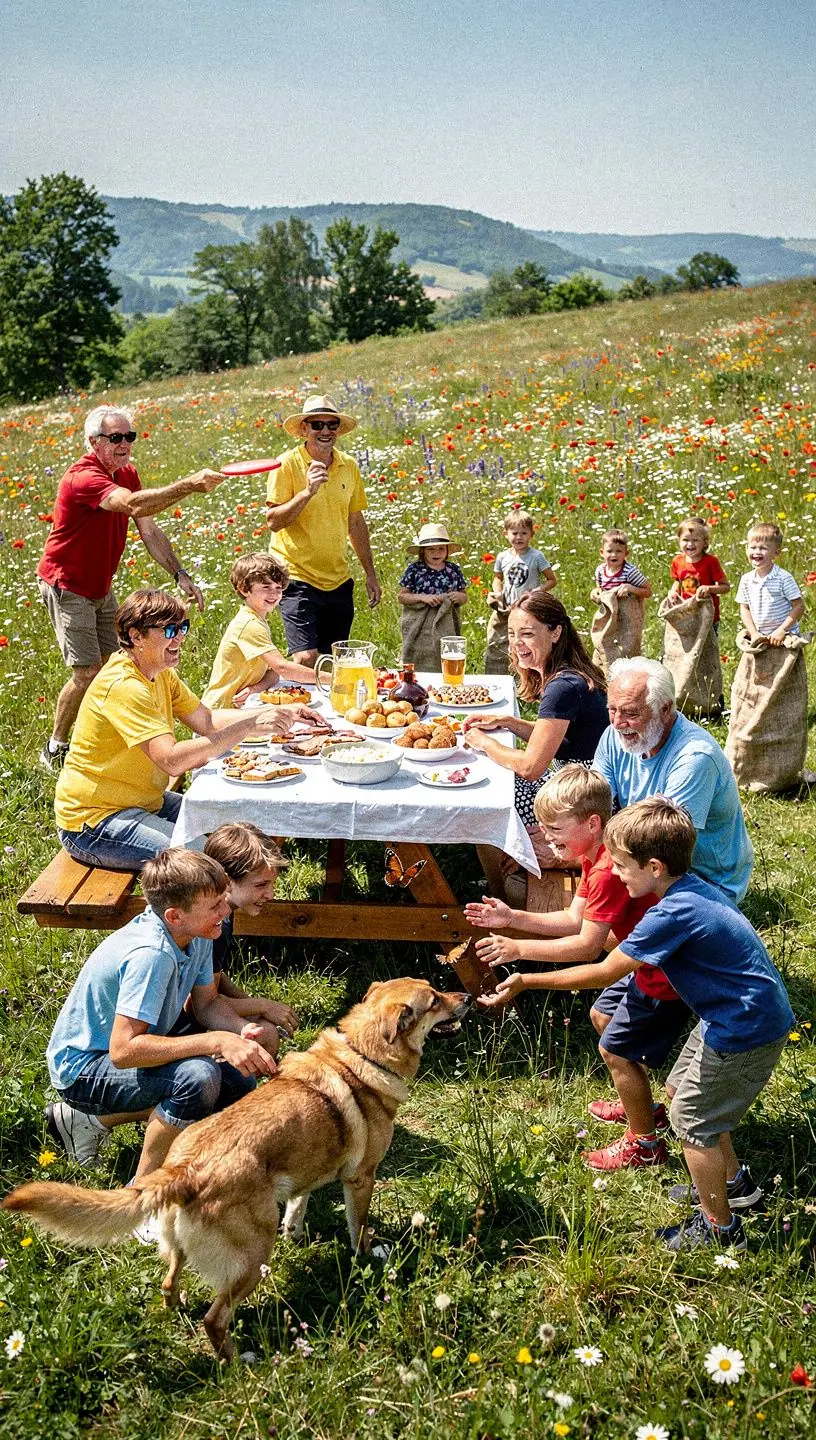
- Picnic Zones: Designated picnic areas encourage families and groups to enjoy meals outdoors, fostering a communal atmosphere that enhances social interactions while appreciating nature.
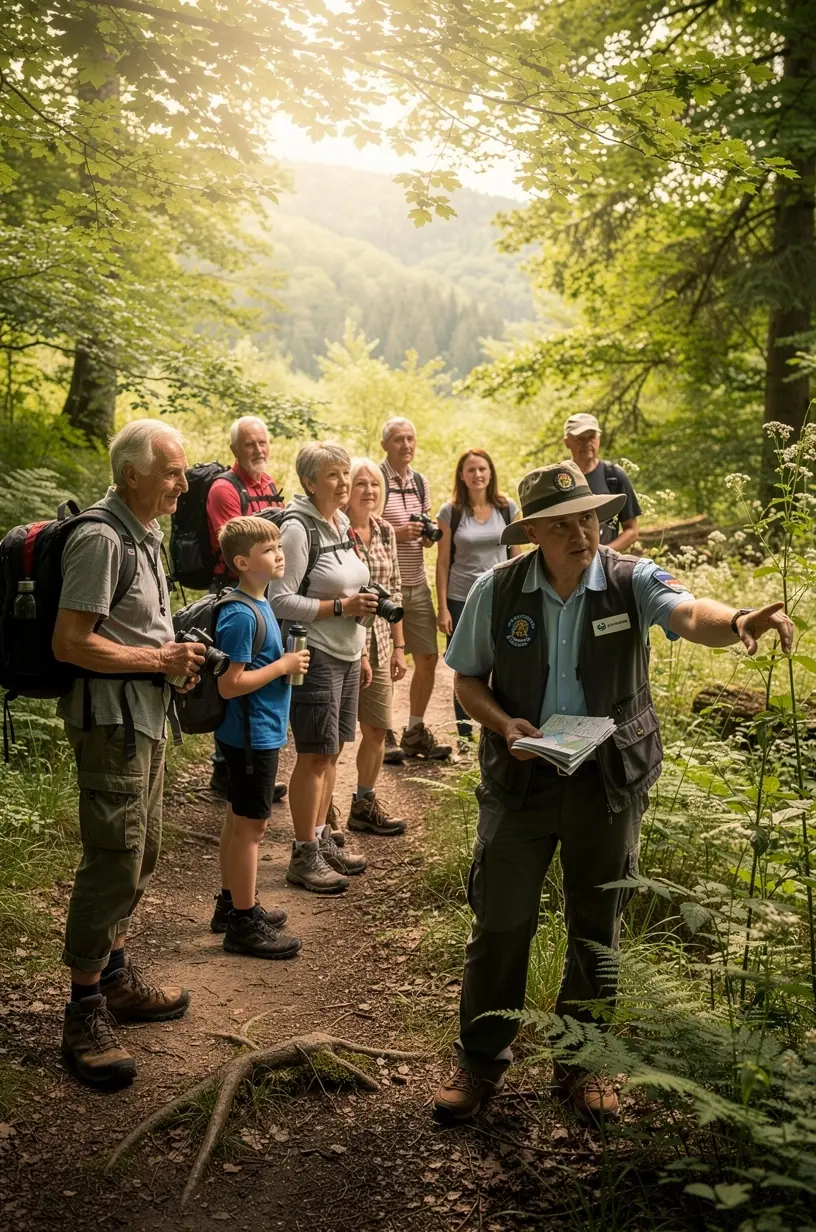
- Curated Experiences: Nature centers often offer curated experiences, such as guided hikes or educational workshops, designed to deepen understanding of local ecosystems. These programs are typically tailored to various age groups and interests, making them suitable for a wide audience.
How Nature Centers Enhance Learning
Nature centers employ various methods to enhance environmental education. They often utilize hands-on activities that encourage active participation and exploration. For example, studies show that children who engage in hands-on learning experiences tend to retain information better and develop a stronger affinity for nature.
Furthermore, many centers focus on specific themes, such as biodiversity or conservation, to provide targeted education. This thematic approach helps visitors understand complex environmental issues in a structured manner, which is often more effective than general information dissemination.
Acknowledging Limitations and Setting Expectations
While nature centers offer valuable educational opportunities, it's important to acknowledge that participation may require a time commitment. Many programs typically last from a few hours to several days, depending on the activity's complexity. Additionally, while engaging with nature can significantly increase awareness and appreciation, it may not be sufficient alone to drive behavioral change without ongoing support and reinforcement.
Conclusion
Nature centers serve as essential platforms for environmental education, offering various programs and services that promote awareness and engagement with the natural world. By participating in these activities, individuals can gain a better understanding of environmental issues and the importance of sustainable practices. While engaging with these centers typically requires time and effort, the benefits of increased knowledge and connection to nature are well worth it. Embracing these educational experiences can help cultivate a generation of environmentally conscious individuals ready to advocate for the planet.
Learn More