Guidelines for Organizing a Picnic in Nature
Planning a picnic in nature can be a delightful experience that offers a chance to relax and connect with the outdoors. However, organizing a successful outing requires careful consideration of various factors. This article provides practical guidelines to ensure your picnic is enjoyable and stress-free.
Understanding the Basics
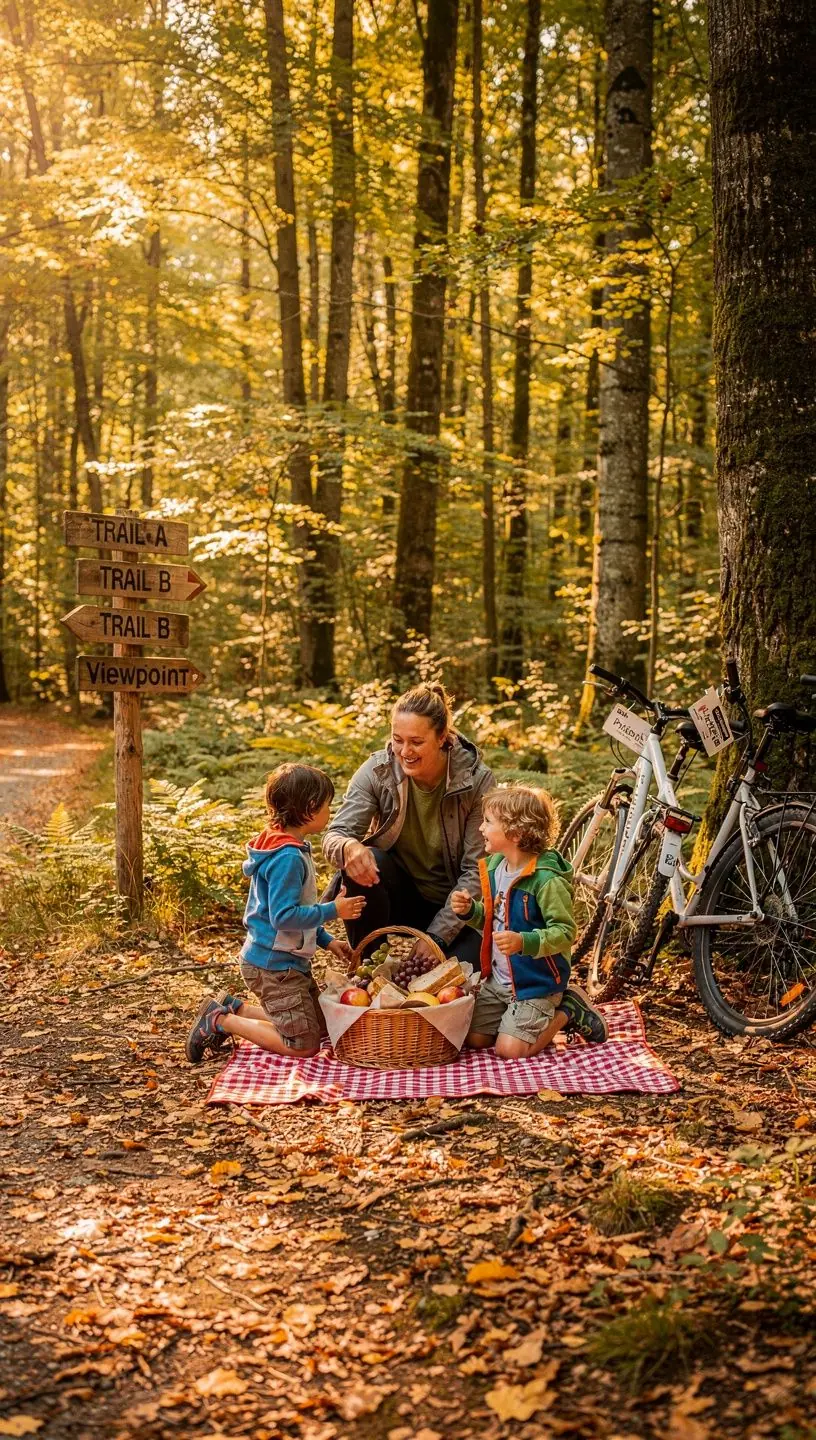
According to experts in outdoor recreation, a well-organized picnic involves several key elements, including location, preparation, and safety considerations. Choosing the right spot is essential; natural settings with amenities, such as picnic tables and nearby facilities, can enhance your experience. Many users report that selecting a location close to nature trails or water bodies often adds to the enjoyment, offering additional activities like hiking or swimming.
"Research indicates that spending time in nature can improve mood and reduce stress, making picnics a beneficial recreational choice."
Choosing the Right Location
When selecting a picnic site, consider the following factors:
- Amenities: Look for areas that provide facilities such as bathrooms, waste disposal, and picnic tables. These amenities can significantly improve comfort and convenience.
- Accessibility: Ensure the location is accessible for all attendees, especially if children or elderly individuals are part of the group. Easy access reduces the effort required to transport equipment and food.
- Environment: Research shows that environments with shade, proximity to water, and scenic views are often more enjoyable. A shaded area can help avoid sunburn and heat exhaustion.
Preparation is Key
Effective preparation can make a significant difference in the overall experience. Here are some practical steps to consider:
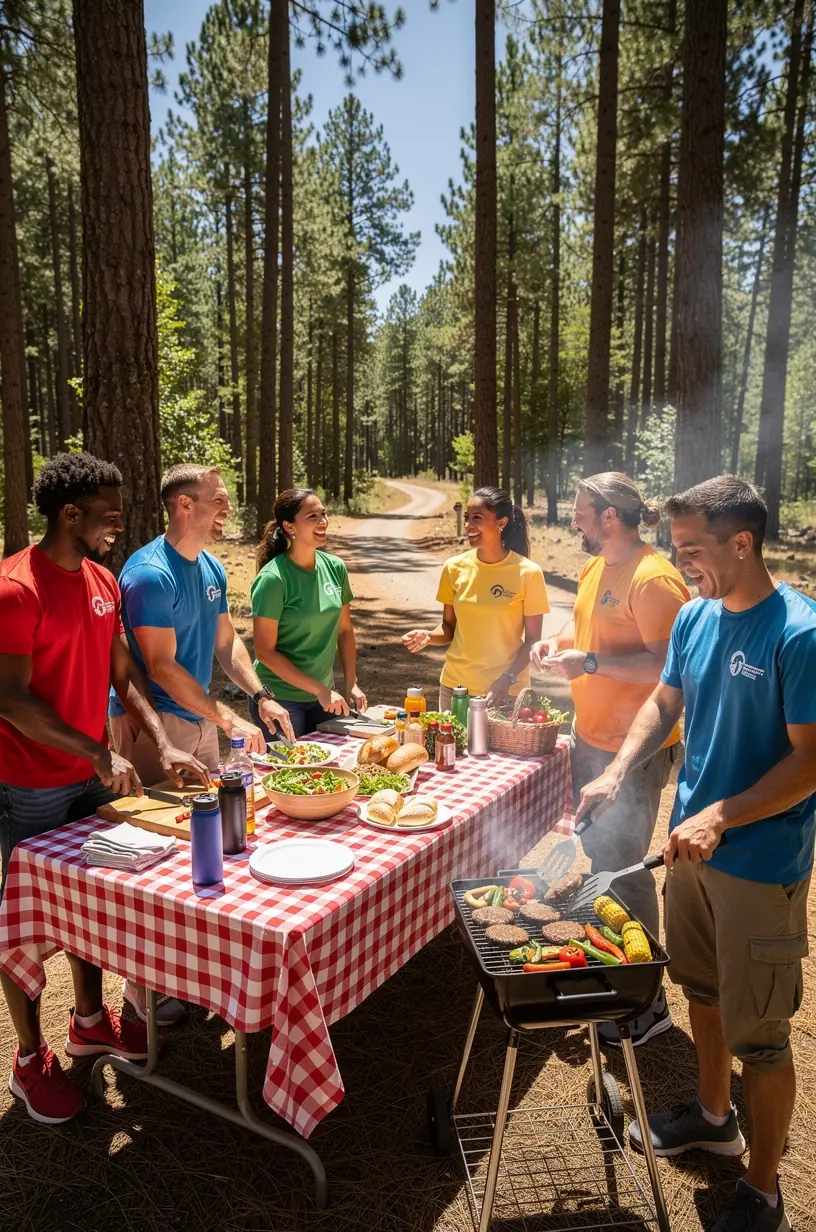
- Food Selection: Choose food items that are easy to pack and transport. Many experts recommend finger foods, fruits, and salads that do not require extensive utensils or preparation on-site. Additionally, consider dietary restrictions of your group.
- Equipment Rental: If your picnic involves activities like kayaking or cycling, consider partnering with local nature recreation centers that provide equipment rentals. This can enhance your experience while minimizing the effort needed for transportation.
- Check the Weather: Preparing for weather conditions is crucial. Studies show that having a backup plan, such as a nearby indoor space or alternative activities, can help mitigate disruptions caused by rain or wind.
Safety Considerations
Addressing safety concerns is vital to ensure a worry-free picnic experience. Keep these points in mind:
- First Aid: Pack a basic first-aid kit including band-aids, antiseptic wipes, and any necessary medications. It is advisable to know the location of the nearest medical facility in case of emergencies.
- Food Safety: To prevent foodborne illnesses, keep perishable items in coolers and avoid leaving food out in warm temperatures for extended periods. Experts recommend serving food within two hours of being out of refrigeration.
- Wildlife Precautions: Be aware of local wildlife and take necessary precautions to avoid unwanted encounters. This may include securely storing food and trash to prevent attracting animals.
Conclusion
Organizing a picnic in nature can be a rewarding experience, offering a break from daily routines and a chance to reconnect with the outdoors. By considering factors such as location, preparation, and safety, you can set realistic expectations for a successful outing. Remember that effective planning not only enhances enjoyment but also helps create lasting memories with family and friends.
Learn More